
How Images Teach Us What to See: Transforming the Established Self
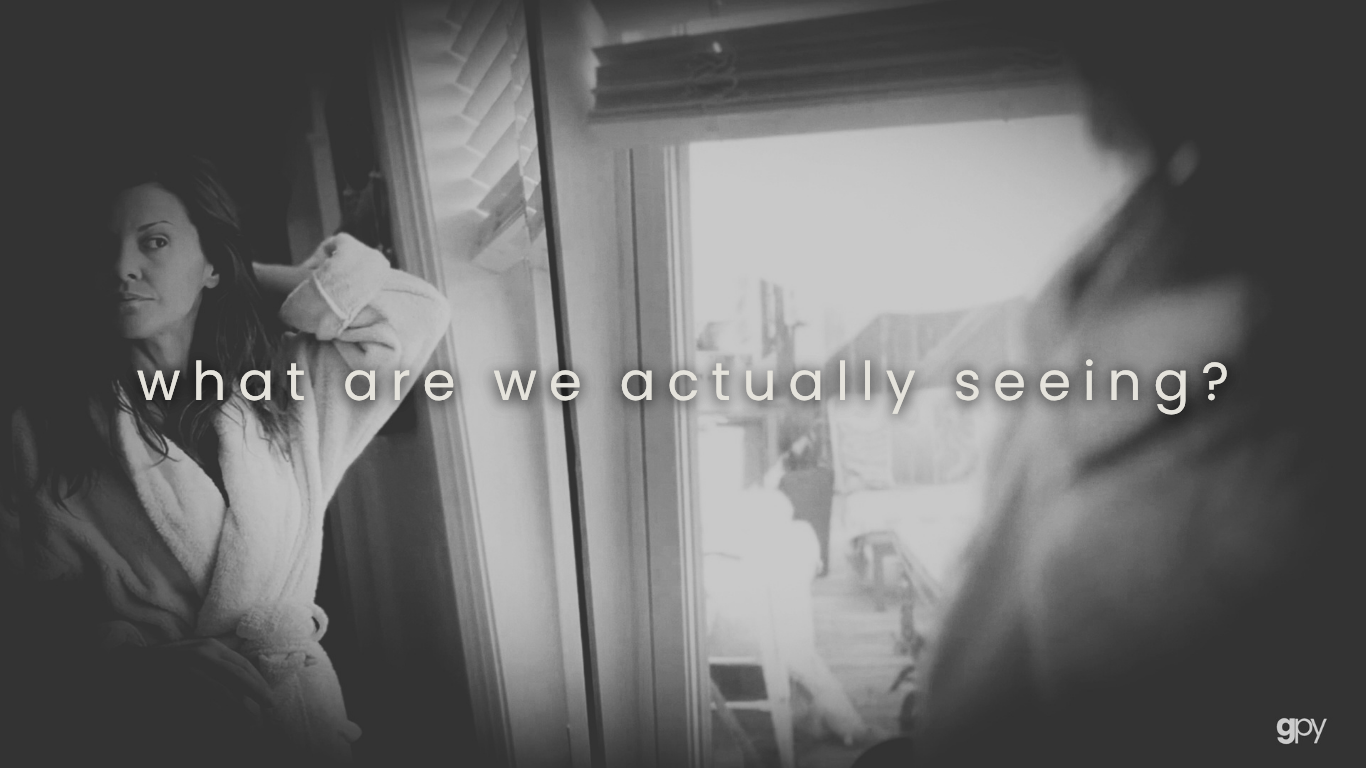
Not simply what are we looking at…
but what has participated in teaching us how to see it?
In this episode of Involution with Veronica, we explore this question through the work of French philosopher and cultural theorist Jean Baudrillard and his ideas about images, simulation, simulacra, and hyperreality.
Baudrillard developed much of this work while witnessing the expansion of postwar consumer culture, advertising, television, mass media, and an increasingly image-mediated world. He began asking what happens when we don't simply consume objects but also consume the meanings, signs, identities, and ways of life attached to them.
Decades later, those questions feel remarkably familiar.
What happens when the image no longer simply represents reality but becomes the standard against which reality is evaluated?
What happens when we've already seen hundreds of images of a place before arriving there?
When an edited or synthetic image becomes a reference point for the body?
When we can recognize “wellness,” “beauty,” “success,” or even “authenticity” through a collection of signs regardless of whether the experience represented by them ever occurred?
And what happens to attention inside all of this?
This reflection explores how representations can participate in training perception, how standards teach attention where to look, and how repeated attention gives significance to particular features, beliefs, identities, and ways of seeing.
It also brings Baudrillard into tension with a phrase I use throughout my work:
Return to what is true.
watch or listen
What happens when the image comes first?
What has already made something significant enough to capture attention?
And what becomes possible when we begin recognizing what is participating in the way we see?
Slow down.
Gather yourself.
Return to what is true.

What if letting go is not simply about releasing what no longer serves us? A personal reflection on identity, grief, life transitions, and what I began to understand about the things we continue carrying after life has changed.